ATLANTA – The
Georgia House of Representatives is putting forth its own version of “surprise
billing” legislation.
A committee
the House formed last year to explore ways to increase access to quality health
care passed a bill Monday to set up a rating system Georgians could use to
determine which physician specialty groups in their insurance plan’s provider
network serve a given hospital.
The measure
would apply to anesthesiologists, pathologists, radiologists and emergency room
doctors, typically specialists responsible for the most incidents of surprise
billing, the extra hospital charges that result from procedures performed by
out-of-network specialists.
The
legislation would strike a blow for transparency in the delivery of health-care
services, said Rep. Mark Newton, R-Augusta, the committee’s chairman and the
bill’s chief sponsor.
“If I want
to have elective surgery … I don’t know if the anesthesiologist at my hospital
is in my network,” he said. “I have no way to find out.”
Under the
House bill, when an insurance company advertises a hospital as in its coverage network,
the insurer would be required to disclose that hospital’s “surprise bill
rating.” If the hospital’s rating is less than four, the insurer would have to
disclose which of the four types of specialties are not in its network.
Kathleen
Polvino, legal counsel for the Tifton-based Georgia Alliance of Community
Hospitals, said the organization supports greater transparency in hospital
billing. But she said the proposed rating system could cause confusion among patients,
who might interpret a rating of less than four as a negative mark on a
hospital.
“Patients
might not know what it means,” she said. “We don’t want it to look like a
hospital has failed.”
Newton
responded that the proposed rating is meant to apply to insurance plans rather
than hospitals.
“It will
bring a spotlight of transparency on health plans,” he said.
Rep. Spencer
Frye, D-Athens, the only committee member to vote against the bill, said he
doesn’t believe it goes far enough.
“If we’re
going to tackle this, we should be reining in these out-of-control insurance
companies,” he said.
A Senate
bill on surprise billing, in fact, would go further than the House measure. The
legislation, sponsored by Sen. Chuck Hufstetler, R-Rome, would essentially prohibit
the practice. Disputes between insurance companies and medical providers would
be subject to arbitration conducted by the state Office of Insurance.
The Senate bill
is pending before the Senate Insurance and Labor Committee. The House legislation
needs only to clear the House Rules Committee, the chamber’s traffic cop for
bills, before heading to the House floor.
ATLANTA – U.S.
Sen. David Perdue, R-Ga., entered this year with a huge fund-raising lead over
three Democrats looking to challenge his bid for a second term.
Perdue
raised nearly $1.9 million during the last three months of 2019, giving him a
campaign war chest of more than $7.8 million at the end of the year, according
to a report filed with the Federal Election Commission late Friday.
Documentary
filmmaker Jon Ossoff, who lost in a special election for Georgia’s 6th
Congressional District seat three years ago, is the Democrats’ top fund-raiser.
His campaign brought in about $1 million during the fourth quarter and entered
January with almost $1.5 million cash on hand.
Former
Columbus Mayor Teresa Tomlinson raised $532,462 during October, November and
December, and reported $319,044 in her campaign treasury of as Dec. 31.
Sarah Riggs
Amico, a Cobb County businesswoman who lost to Republican Geoff Duncan in the
2018 race for lieutenant governor, raised $502,642 during the last quarter of
2019 – including a $365,000 loan she made to her campaign. Amico listed $472,406
cash on hand at the end of December.
Clarkston
Mayor Ted Terry recently dropped out of the race for the Democratic nomination
to take on Perdue.
The
fund-raising picture in Georgia’s other U.S. Senate contest is less clear
because other major candidates vying to unseat recently appointed Sen. Kelly
Loeffler, R-Ga., just entered the fray and didn’t have to file fourth-quarter
reports.
Loeffler,
however, is off to a good start defending the seat she took up early last month
following her appointment by Gov. Brian Kemp to succeed retired GOP Sen. Johnny
Isakson.
Fulfilling a
pledge to jump-start her campaign with her own money, the wealthy Atlanta
businesswoman put up $5 million. Combined with $459,701 in contributions from
individual donors and political action committees, Loeffler reported almost
$5.5 million in her campaign treasury.
Democrat
Raphael Warnock, pastor of Atlanta’s historic Ebenezer Baptist Church, and U.S.
Rep. Doug Collins, R-Gainesville, are new to the contest and won’t have to file
campaign-finance disclosures until after the first quarter of this year.
A Democrat
who entered the race last fall, Matt Lieberman, son of former U.S. Sen. Joe
Lieberman of Connecticut, raised $702,326 in October, November and December.
Lieberman reported $369,812 cash on hand as of Dec. 31.
ATLANTA – After
years of failing to gain traction in the General Assembly, efforts to raise
Georgia’s tobacco tax could get a boost this year from the budget crunch facing
state lawmakers.
The
legislature passed a bill early in the 2020 session to tax online purchases made
through such “marketplace facilitators” as Amazon and Google. Supporters cited
the need for more revenue to help offset sluggish state tax collections threatening
to force painful spending cuts.
The revenue
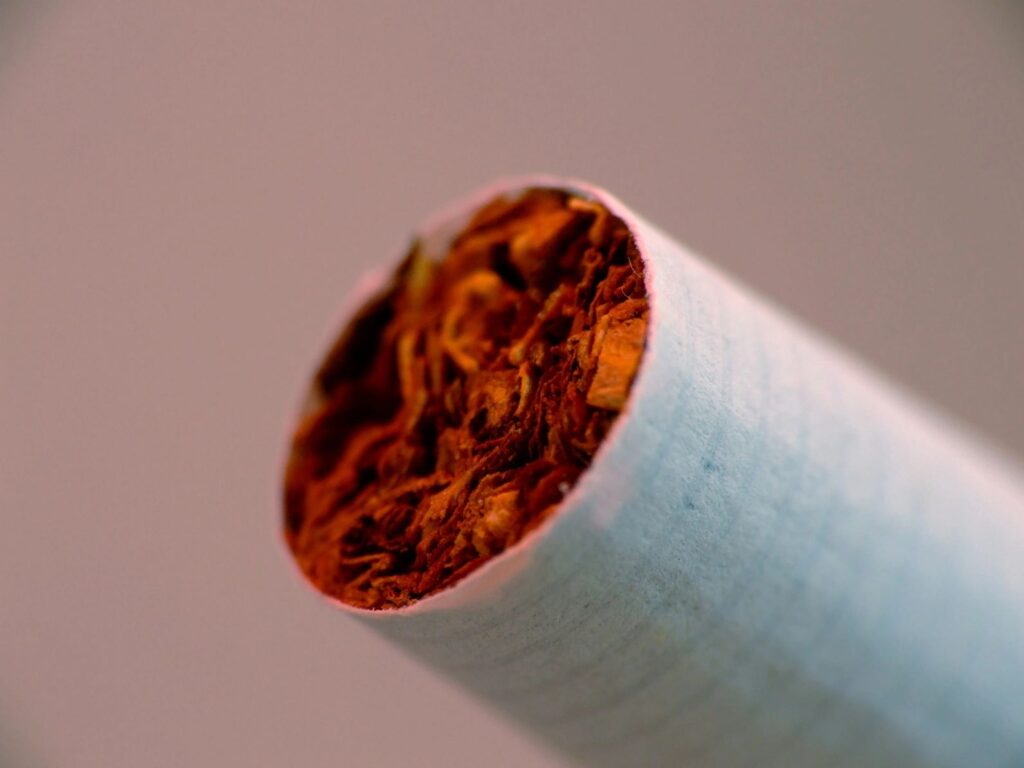
grab could move next to tobacco products. Legislation before the Georgia House
of Representatives would increase the state’s tobacco tax, the nation’s third
lowest, from 37 cents per pack of cigarettes to $1.87.
That higher
rate, which would move Georgia’s tobacco tax above the national average, would
generate $425.2 million a year in new revenue for the state, said Andy Freeman,
government relations director for the Atlanta-based American Cancer Society’s
Cancer Action Network.
“Resolving
the budget deficit and addressing the highest tobacco use rate in 20 years … would
mark a major health and fiscal win for our state,” Freeman said.
Rep. Ron
Stephens, R-Savannah, the bill’s sponsor, said reducing demand for tobacco
products by raising the tax also would yield huge savings.
“We’re
spending half a billion dollars a year in Georgia to treat smoking-related
illnesses,” Stephens said. “That’s coming out of taxpayers.”
A recent
poll conducted by the Georgia Budget and Policy Institute found 80% support among
voters for increasing tobacco taxes.
Charles Bullock,
a political science professor at the University of Georgia, said the tobacco
industry doesn’t enjoy the political influence it once had in the Peach State when
more farmers grew the crop and tobacco auctions in rural communities drew large
crowds.
“Tobacco has
lost its clout. Rural Georgia has lost its clout,” he said. “With each census,
more [legislative] seats get shifted out of rural Georgia to metro Atlanta.”
Bullock said
the tight budget is another factor building support for raising tobacco taxes.
“A number of
legislators seem to be trying to push back against [Gov. Brian Kemp’s] cuts,”
Bullock said. “They’re thinking, ‘If we can find more revenues, we can protect
programs we feel are important.’ ”
But Rep.
Bret Harrell, chairman of the tax-writing House Ways and Means Committee, said he
doesn’t believe there will be enough support in the General Assembly this year
to raise the tobacco tax.
“There is
demand for the product and retailers who sell the product, and it’s legal,”
said Harrell, R-Snellville.
But Harrell doesn’t
oppose increase tobacco taxes under any circumstances. He put together a
proposal two years ago to raise the state tax on cigarettes to 62 cents per
pack, based on the tobacco tax rates in neighboring states.
“It would
not unduly advantage or disadvantage our border retailers,” he said.
But Harrell
said the only tobacco tax bill lawmakers are likely to pass this year would
impose an excise tax on vaping and e-cigarettes. Georgia has no excise tax on
those products now, and the rapid growth of vaping is driving an increase in
nicotine use that had been on the decline.
Rep. Bonnie
Rich, R-Suwanee, has introduced a bill that would tax vapor devices and consumable
vapor products at 7%.
Bullock said
there’s a good reason a tax on vaping might find favor with the politicians
under the Gold Dome.
“Vaping is
much more of a young people’s pursuit,” he said. “Young people don’t vote.”
AT A GLANCE
Georgia’s tobacco
tax is the third lowest in the nation:
ATLANTA – Georgia
lawmakers want more time to figure out how to raise more money to improve the
state’s freight rail network.
The state
House Transportation Committee passed a resolution Thursday that would extend
the life of the Georgia Freight & Logistics Commission until the end of
this year. The General Assembly created the panel of legislators and logistics
industry executives during last year’s session and gave it until the end of
December to make recommendations.
A seven-page
report the commission released Thursday included a set of “action items”
Georgia transportation policy makers need to address but that need more time to
accomplish.
“The
commission did a good job identifying issues and problems,” said Rep. Kevin
Tanner, R-Dawsonville, the commission’s co-chairman, who also chairs the House
Transportation Committee. “That’s the easy part. Now, we’ve got to find solutions.”
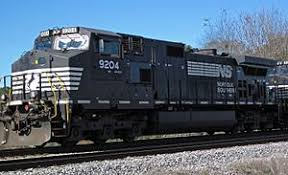
A key reason
legislative leaders created the Freight & Logistics Commission was to look
for ways to increase the role rail plays in moving freight across Georgia.
Currently, only 27% of the state’s freight moves by rail.
“Anything we
can do to help move freight to our rail network is going to help with our
traffic,” Tanner said.
One of the
commission’s recommendations calls for legislation that would set aside a line
item in the state budget for funding of freight rail projects. The proposal would
not guarantee revenue for freight rail, which would remain subject to the annual
appropriations process.
On Thursday,
the House Transportation Committee approved a bill that would do just that.
The
commission also identified a shortage of truck drivers for companies including
Kia Motors and Shaw Industries as an obstacle to the smooth movement of
freight, as well as a need to make more truck parking spaces available for
drivers to stop and rest.
The panel
also documented a huge gap in funding for freight rail in Georgia, with a
30-year unmet need ranging from $103.9 billion to $121.5 billion. The report
suggested one way to lessen the gap would be exploring public-private
partnerships.
Both the
resolution to extend the commission’s work through this year and the bill
setting up a budget line item for freight rail funding now move to the House
Rules Committee, the final step to put the measures before the full House.
ATLANTA – A state senator from coastal Georgia is calling for
a closer examination of the potential impacts of a planned titanium mine near
the Okefenokee National Wildlife Refuge.
In a letter dated Jan. 27, Sen. William Ligon, R-Brunswick, suggested
the U.S. Army Corps of Engineers conduct more studies on how mining a
12,000-acre site south of the refuge in Charlton County and post-mine
restoration would alter surface water and groundwater flows before awarding a
permit to Alabama-based Twin Pines Minerals.
“Science must guide decisions that affect our swamp and the
national wildlife refuge,” Ligon wrote in the letter to Col. Daniel Hibner from
the Corps’ Savannah district. “These studies … must demonstrate, beyond a
reasonable doubt, that no harm will come to the swamp as a result of Twin
Pines’ mining operations. Our state cannot risk lasting damage to the national treasure
that is the Okefenokee Swamp.”
Ligon noted in the letter that the Okefenokee National
Wildlife Refuge draws more than 600,000 visitors each year. The Okefenokee is
the largest blackwater swamp in North America.
The Georgia Conservancy complained last August the proposed
mine would go an average of 50 feet
below the surface, deep enough to impact adjacent wetlands and permanently
affect the hydrology of the entire 438,000-acre swamp.
The U.S. Environmental Protection Agency, U.S. Fish and
Wildlife Service and the Georgia Environmental Protection Division also have
expressed concerns about the project.