ATLANTA – Women seeking an abortion in Georgia would not be able to obtain abortion-inducing drugs without an in-person exam by a qualified physician under legislation that cleared a state Senate committee Wednesday.
The bill targets mail-order prescriptions of abortion-inducing drugs authorized by the federal Food and Drug Administration last year in response to the coronavirus pandemic.
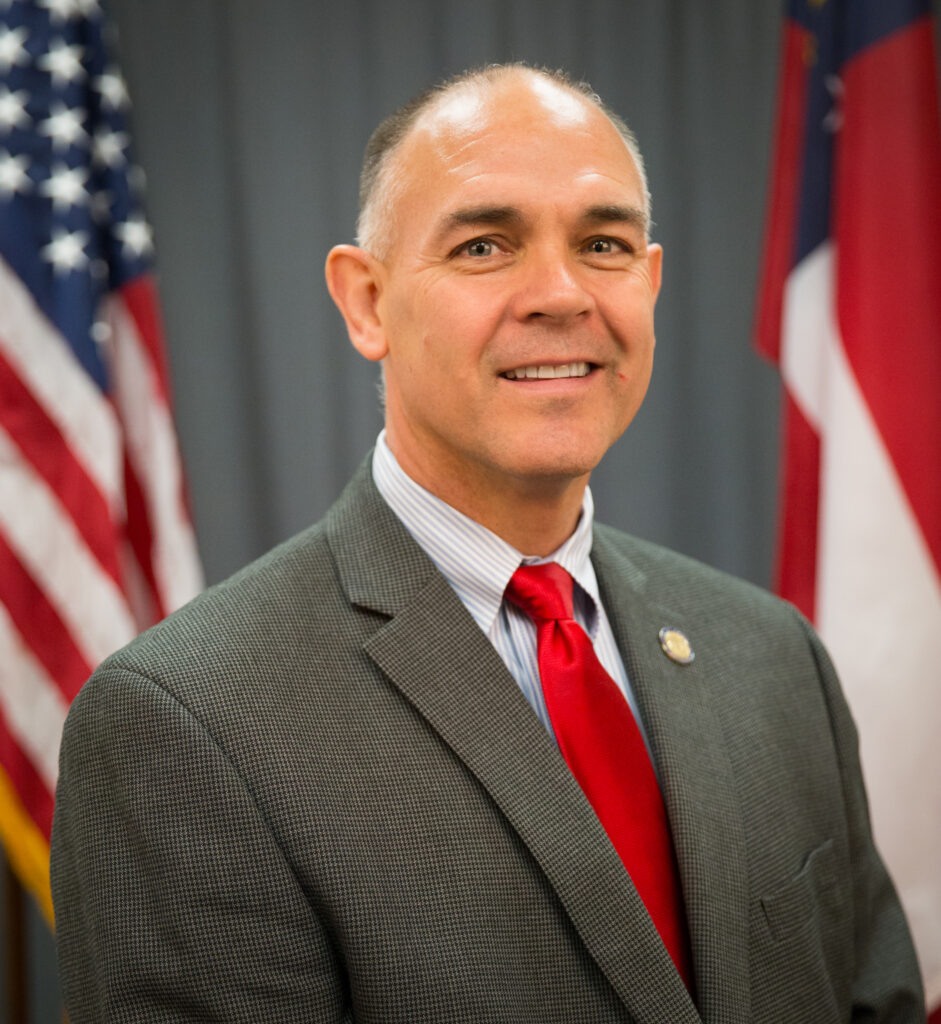
“These drugs were never intended to be provided without the direct involvement of a health-care worker,” Sen. Bruce Thompson, R-White, the bill’s chief sponsor, told members of the Senate Health and Human Services Committee. “These drugs were never intended to be delivered through the mail.”
Representatives of anti-abortion groups testified in support of the bill.
Katie Glenn, a lawyer for Washington, D.C.-based Americans United for Life, said an estimated 27.000 American women went to a hospital emergency room last year reporting complications from taking an abortion-induced drug.
“There are abortionists who are willing to mail out abortion-inducing drugs without ever seeing a patient, even on video,” she said.
“If we’re going to be a state that values life, we’re going to have to protect women,” added Mike Griffin, public affairs representative for the Georgia Baptist Mission Board.
But several obstetrician-gynecologists spoke out against the legislation, arguing that medication abortions are safe and that to prohibit them would restrict women’s access to health care.
Staci Fox, president and CEO of Atlanta-based Planned Parenthood Southeast, accused Republican lawmakers of pushing the bill for political gain.
She said the measure is unnecessary because Georgia already has a strong anti-abortion measure on the books, a 2019 law essentially banning abortions after six weeks of pregnancy. The law is awaiting a U.S. Supreme Court ruling before it can be enforced.
“Abortion has already been decided by this state,” Fox said.
The Democratic Party of Georgia issued a statement in advance of Wednesday’s vote criticizing the bill.
“Republicans’ latest anti-choice bill is a shameful, transparent attempt to place more obstacles between Georgians and essential reproductive health care,” party spokeswoman Rebecca Galanti said. “Georgia Democrats remain committed to safeguarding reproductive freedom.”
The committee passed Thompson’s bill 7-5, voting along party lines. It now heads to the Senate Rules Committee to schedule a floor vote.
This story is available through a news partnership with Capitol Beat News Service, a project of the Georgia Press Educational Foundation.
ATLANTA – The General Assembly is weighing in on a controversial proposal to mine titanium near the Okefenokee Swamp.
A bipartisan bill introduced in the Georgia House of Representatives would prohibit the state Environmental Protection Division from issuing permits for surface mining along Trail Ridge between the St. Marys and Satilla rivers.
“The Okefenokee Swamp is a vital part of Georgia with more than local significance,” the bill states.
“[It] is properly a matter for regulation and protection under the authority of the state of Georgia to ensure the values and functions of the Okefenokee Swamp, including its status as a popular and historic tourist attraction, are not impaired.”
Alabama-based Twin Pines Minerals is seeking permits from the state to mine titanium dioxide at a site three miles from the Okefenokee National Wildlife Refuge, the largest black water swamp in North America.
The project’s opponents say the mine could damage adjacent wetlands and permanently affect the hydrology of the entire 438,000-acre swamp.
The legislation comes less than a week after The Chemours Company, an American chemical company spun off of DuPont, announced it will not buy the
proposed mine or acquire Twin Pines Minerals.
Twin Pines responded that the Chemours commitment to protect the Okefenokee will not affect its plans for the mine.
House Bill 1289 is sponsored by five Republicans and one Democrat. The chief sponsor is Rep. Darlene Taylor, R-Thomasville.
This story is available through a news partnership with Capitol Beat News Service, a project of the Georgia Press Educational Foundation.
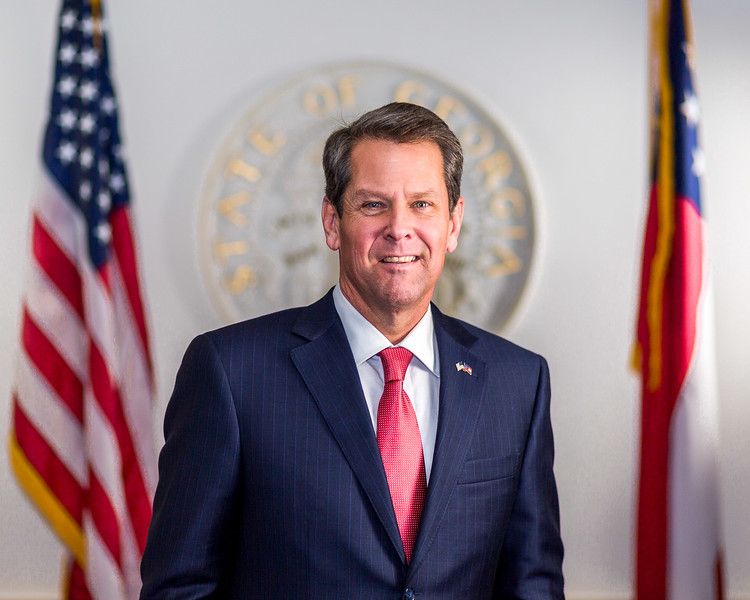
ATLANTA – Gov. Brian Kemp is dominating gubernatorial fundraising fewer than four months before the May 24 Republican primary.
Kemp has raised $19.3 million toward his reelection bid on his own and another $2.3 million through Georgians First, a leadership committee made possible through controversial legislation the General Assembly passed last year.
Former U.S. Sen. David Perdue, who entered the race for the Republican nomination last month, has raised just $1.1 million.
.”While Brian Kemp collects checks from lobbyists and special interest groups, David Perdue is traveling around the state and connecting with thousands of everyday Georgians,” a Perdue campaign spokesman said. “This race is about putting people ahead of politicians.”
Democrat Stacey Abrams, who lost to Kemp four years ago and is seeking her party’s gubernatorial nomination unopposed this year, has raised $9.3 million, according to a report her campaign filed with the state.
Kemp reported $13.3 million cash on hand as of Jan. 31, including both his campaign and Georgians First. Abrams listed $7.2 million in her campaign war chest, also as of the end of last month.
Neither educator Kandiss Taylor nor human resources executive Catherine Davis, Republican candidates for governor, had filed any campaign finance reports with the state as of Tuesday.
While Perdue trails far behind Kemp in fundraising, the ex-senator is counting on former President Donald Trump’s endorsement to build momentum for his candidacy.
Trump, who supported Kemp in the 2018 Republican primary, was angered by Kemp’s refusal to go along with his attempts to overturn the results of the 2020 presidential election in Georgia.
The Perdue campaign also got good news on Monday when a federal judge ruled that Kemp can’t use any of the funds raised by his leadership committee to help win the Republican nomination. A lawsuit filed by Perdue claimed the 2021 law gave Kemp an unfair advantage in that only the incumbent governor could raise money during the primary race through a leadership committee.
This story is available through a news partnership with Capitol Beat News Service, a project of the Georgia Press Educational Foundation.
ATLANTA – Legislation authorizing Georgia’s attorney general to investigate and prosecute gang activity statewide has been introduced into the state House of Representatives.
House Bill 1134 follows Gov. Brian Kemp’s budget proposal to fund the creation of a new Gang Prosecution Unit in the attorney general’s office.
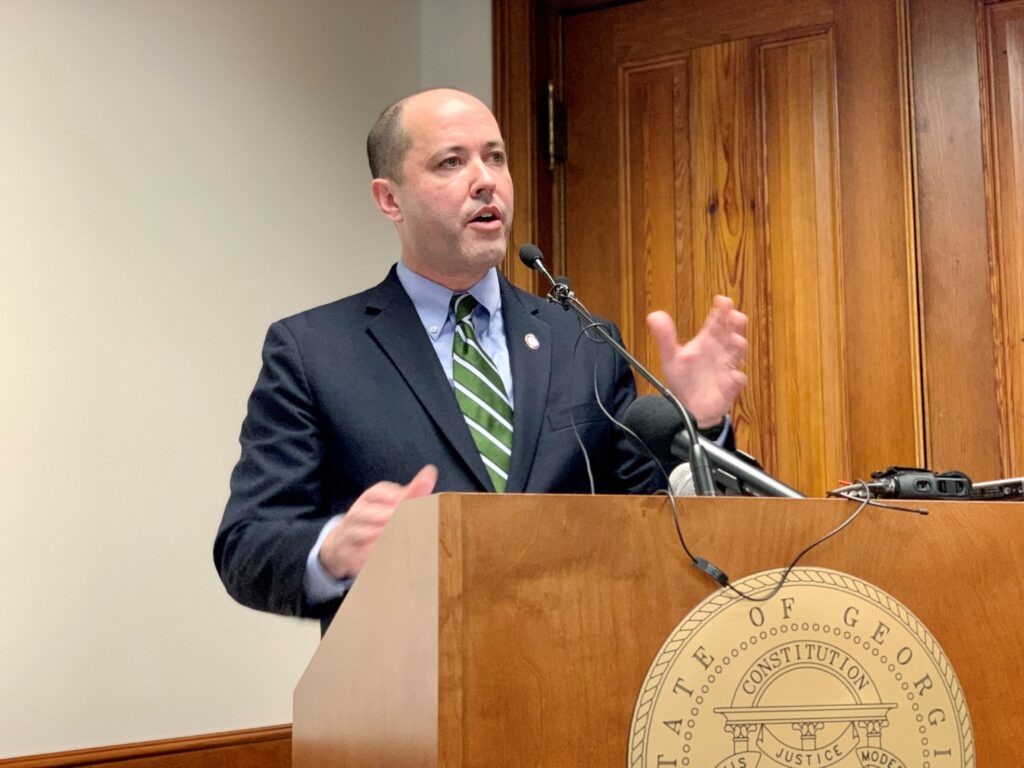
“Gangs do not contain themselves within a city or county line – they work across multiple jurisdictions to commit violent and dangerous acts,” Attorney General Chris Carr said.
“This legislation would allow our office to serve as a force multiplier by working with law enforcement and district attorneys to build cases and to ensure criminals are put behind bars.”
The bill has been referred to the House committee with jurisdiction over criminal justice. The panel’s chairman, Rep. Chuck Efstration, R-Dacula, is the measure’s chief sponsor.
Kemp has made prosecuting gangs a top priority during his four years in office.
The governor’s four floor leaders in the House are serving as cosponsors of the bill.
This story is available through a news partnership with Capitol Beat News Service, a project of the Georgia Press Educational Foundation.
ATLANTA – Georgia’s court system continues to suffer from case backlogs brought on by the coronavirus pandemic two years ago, David Nahmias, chief justice of the state Supreme Court, said Tuesday.
“Even when not halted entirely, our judicial system’s capacity to conduct jury trials, and other proceedings that need to be done in-person, is significantly lower because of COVID,” Nahmias told a joint session of the General Assembly in his first State of the Judiciary address since his colleagues on the bench elected him chief justice last year.
Nahmias said the courts have used remote proceedings to help keep cases moving.
“Judges tend to be set in their ways; we’re not usually early adopters of new technology,” he said. “But the pandemic forced us to adapt, and in two years we’ve probably made as much technological progress as we would have made in two decades otherwise.”
But videoconferences are not appropriate for all cases. To deal with criminal cases that must be tried in person, Nahmias said, judges have found ways creative ways to socially distance participants, including using larger spaces for trials.
The Classic Center in Athens, James Brown Arena in Augusta and the Columbus Civic Center are among the venues that have hosted in-person trials, he said.
Nahmias praised Gov. Brian Kemp for allocating $110 million in federal COVID relief funds but noted the money is restricted to certain purposes by the federal government. He asked counties to step up and help by distributing some of their share of the federal relief funds to local courts.
“This will be the main issue that the judicial system in Georgia will be dealing with, not only until the rest of our society returns to more normal conditions, but for several years to come,” Nahmias said. “I can pledge to you the continuing diligence and creativity of Georgia’s judges at all levels.”
This story is available through a news partnership with Capitol Beat News Service, a project of the Georgia Press Educational Foundation.