ATLANTA – The Georgia Senate unanimously approved a fiscal 2023 state budget Friday that provides raises to teachers and state employees and restores state agencies to pre-pandemic spending levels.
The $30.2 billion spending plan, which the Georgia House of Representatives passed two weeks ago, annualizes $5,000 raises most state workers received in the fiscal 2022 mid-year budget Gov. Brian Kemp signed last week.
Georgia teachers would get a $2,000 raise, allowing Kemp to finish fulfilling the $5,000 increase he promised on the campaign trail four years ago. The General Assembly increased teachers’ pay by $3,000 in 2019.
The budget also would repeal the institutional fees the University System of Georgia began charging students during the Great Recession and would increase Medicaid coverage for low-income mothers in Georgia to a full year following the birth of their children, up from the current six months.
The governor and legislature can afford to be generous this year. State tax collections have been on the rise during most of the past year – despite the pandemic – resulting in a budget surplus of more than $4 billion.
“I am so thankful for the [taxpayers’] resilience during the pandemic, keeping Georgia open,” Senate Appropriations Committee Chairman Blake Tillery, R-Vidalia, told his Senate colleagues Friday.
Georgia also has received $4.8 billion in federal COVID-19 relief funds through the American Rescue Plan.
Senate Minority Leader Gloria Butler praised the budget for raising salaries and restoring budget cuts imposed on state agencies during the last two years.
But Butler, D-Stone Mountain, said lawmakers could do more for low-income Georgians by expanding Medicaid, creating a state-level Earned Income Tax Credit and boosting funding for education and health care, which she said remain underfunded despite the spending increases in the budget.
“There is a budget surplus that could be used to help those who need it most or shore up agencies that are struggling,” she said.
But Tillery injected a note of caution, citing the most recent report from the state Department of Revenue that showed tax receipts rose just 1% last month compared to February of last year. He said many spending increases Senate budget writers have proposed are for one-time items in order not to overcommit the General Assembly if the economy slows down.
“We tried not to spend every dollar we were sent … so next year we haven’t boxed ourselves in,” Tillery said. “As this sugar high is wearing off, the Senate will not be in a bad position.”
The budget likely will land next in a joint conference committee so House and Senate negotiators can resolve their differences and come up with a final version of the spending plan.
This story is available through a news partnership with Capitol Beat News Service, a project of the Georgia Press Educational Foundation.
ATLANTA – Lobbyists representing Georgia’s coin-operated amusement machines (COAM) businesses objected Thursday to raising the state tax on the industry.
A Georgia Senate bill calling for increasing the share of COAM income that goes to the state from the current 10% to 30% did not survive last week’s Crossover Day deadline for bills to pass at least one legislative chamber. But an alternative COAM measure that cleared the state House of Representatives on Crossover Day is now before the Senate, and the tax hike could be amended onto it.
Sen. Bill Cowsert, R-Athens, chairman of the Senate Regulated Industries and Utilities Committee, presented charts Thursday showing that $120 million in COAM revenue went to the state last year to support the HOPE Scholarships and pre-kindergarten programs, far less than the tax revenue for education generated by the Georgia Lottery.
Raising the tax on COAMs to 30% would have produced $360 million for education, the charts showed.
HOPE has suffered from a funding shortfall since 2011, when the General Assembly voted in a cost-cutting move to stop covering the full cost of tuition for most students. The percentage of coverage HOPE provides has fallen as low as 76%, Cowsert said.
While Gov. Brian Kemp’s fiscal 2023 budget proposal would increase HOPE coverage to 90% of tuition, the program still would be left with a $100 million shortfall, Cowsert said.
Other states tax their gaming machines at much higher rates than Georgia. Pennsylvania’s tax is at 52%, South Dakota’s is 50%, Illinois’ is 34% and Louisiana’s is 32.5%, according to one of the charts.
“If we were to get closer in line with other states, we might be able to close the [HOPE] shortfall,” Cowsert said.
But Les Schneider, a lobbyist representing the Georgia Amusement & Music Operators Association, said the figures on the charts did not account for the fees Georgia charges the licensees who own the machines and owners of the retail businesses where the machines are located.
“We pay more than any other COAM operation in the United States of America,” he said.
“Any attempt to raise the tax would be very detrimental, particularly to the small operators,” added Edward Lindsey, representing Norcross-based COAM supplier Lucky Bucks. “You will diminish capital investment in this state.”
The lobbyists supported the alternative bill that passed the House, which would leave the tax at 10% and offer COAM game winners non-cash redeemable gift cards.
Rep. Alan Powell, R-Hartwell, the House bill’s chief sponsor, said gift cards would discourage store owners from paying cash to prize winners, which is illegal in Georgia.
“This takes away any rationale for a merchant to pay out cash money,” he said.
Sheila Humberstone, representing the Georgia Association of Convenience Stores, called gift cards “the great equalizer” between store owners who cheat and those who are honest.
“Our members are at a competitive disadvantage when the convenience store across the street pays out cash,” she said.
The Senate committee is expected to vote on the House bill next week.
This story is available through a news partnership with Capitol Beat News Service, a project of the Georgia Press Educational Foundation.
ATLANTA – Georgia’s economy not only has recovered from pre-pandemic levels but has expanded past numbers reported just before the coronavirus pandemic struck the Peach State two years ago.
The number of employed Georgians last month was up 75,000 compared to before the pandemic to an all-time high of nearly 5.1 million, the state Department of Labor reported Thursday. The state’s labor force has increased by 50,000 over the pre-pandemic level, and the number of unemployed has declined by 25,000.
“This state has continued to be successful in creating jobs and getting Georgians employed,” Georgia Commissioner of Labor Mark Butler said. “All of this has led to our number of unemployed being the lowest since June of 2001.”
The state’s unemployment rate in February was unchanged from January at 3.2%. The number of jobs was at an all-time high of 4.7 million, up 232,000 compared with February of last year.
First-time unemployment claims last month were down 6,180 to 22,077, a 22% decrease from January and an 80% decline from February 2021.
There are more than 230,000 jobs listed online at EmployGeorgia.com, resulting in a minimum of more than 320,000 unfilled positions. Industries with more than 10,000 job postings included health care with 38,000 postings, manufacturing with 22,000 postings, and retail trade with 21,000.
This story is available through a news partnership with Capitol Beat News Service, a project of the Georgia Press Educational Foundation.
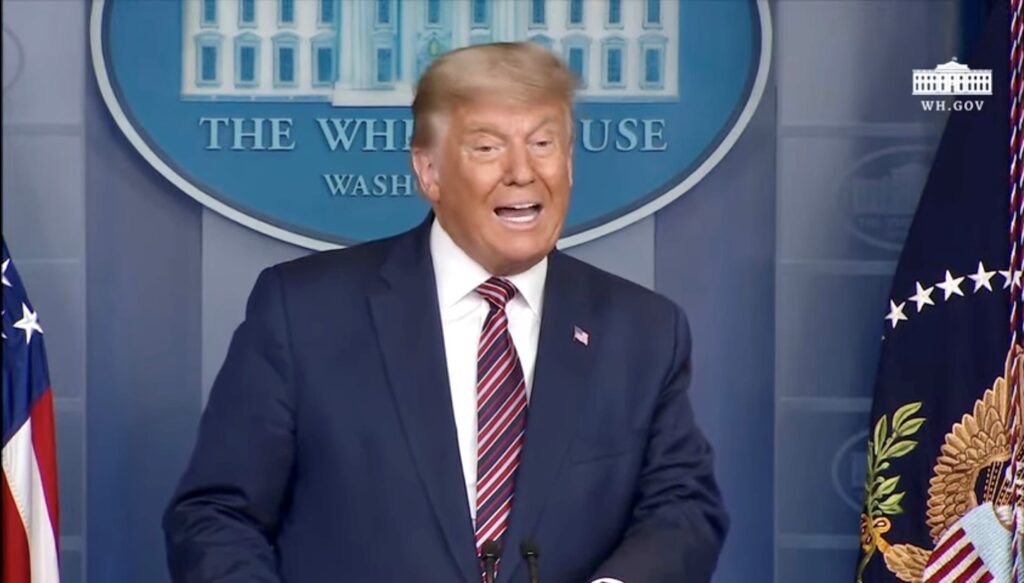
Facebook and Twitter suspended former President Donald Trump’s accounts last year, sparking legislation in states including Georgia to prevent the censoring of most content on large social media platforms.
ATLANTA – Legislation prohibiting giant social media platforms from censoring content based on the author’s viewpoint drew criticism on several fronts Wednesday in a Georgia House committee.
Some opponents argued the bill, which the state Senate passed two weeks ago, is an unconstitutional violation of the free-speech rights of companies including Facebook and Twitter. Others said it could foster harassment of vulnerable young people.
Senate Bill 393 would prohibit social media platforms with more than 20 million followers from discriminating against an author posting content based not only on the person’s viewpoint but his or her race, color, ethnicity, religious or political beliefs, national origin, sex, gender or sexual orientation. The companies still could keep obscene or pornographic content off their sites.
“What we’re trying to do with this bill is eliminate viewpoint-based censorship,” Sen. Greg Dolezal, R-Cumming, the bill’s chief sponsor, told members of the House Judiciary Committee.
The legislation was sparked when Facebook and Twitter suspended former President Donald Trump’s accounts last year following the attack on the U.S. Capitol by Trump supporters.
Similar bills to the Georgia measure passed by lawmakers in Texas and Florida are being challenged in court. Opponents argued Wednesday the Georgia bill’s backers should wait for the results of those cases before moving forward.
“Why should Georgians have to pay for the litigation?” asked Rep. Matthew Wilson, D-Brookhaven. “Why not wait to see what the courts say?”
Rep. Mike Wilensky, D-Dunwoody, said giving people virtually free rein to post content on giant social media platforms would allow cyber bullying of teens. In some instances, teenagers have committed suicide after being targeted on social media.
“These platforms are doing a good job these days controlling harassment,” Wilensky said. “This bill will eliminate these platforms from saving lives.”
But Dolezal said his bill would allow social media platforms to prevent harassment. He said his bill would strike a blow for free speech and open discussion.
“Social media companies are the 21st century public square,” he said. “Any idea – no matter how asinine – we believe there is room in this country to discuss.”
The committee will hold at least one more hearing on the bill before deciding whether to move it forward.
This story is available through a news partnership with Capitol Beat News Service, a project of the Georgia Press Educational Foundation.
ATLANTA – Gov. Brian Kemp signed legislation Wednesday providing Georgia taxpayers a $1.1 billion tax refund.
The one-time windfall for taxpayers is the result of unexpectedly strong state tax collections that have left Georgia with a flush budget surplus.
“When government takes in more than it needs, I believe those dollars should be returned to the taxpayer, because that is your money – not the government’s,” Kemp said. “In Georgia, we are … putting taxpayer dollars back in the pockets of hardworking Georgians.”
The refund is included in the $30.3 billion mid-year budget the governor signed last week. It provides a tax credit to Georgians who filed state income tax returns for the 2020 and 2021 tax years.
Single taxpayers will receive a $250 refund. Married taxpayers filing jointly will get $500.
Taxpayers who have already filed their taxes for tax year 2021 will not need to adjust their returns. They will receive their refund by paper check or direct deposit, depending on which method they indicated on their tax return.
This story is available through a news partnership with Capitol Beat News Service, a project of the Georgia Press Educational Foundation.