ATLANTA – Georgia lawmakers will begin the 2021 General Assembly session on Monday fresh off some positive news.
State tax collections rose by 7.7% last month compared to December of 2019, the Georgia Department of Revenue reported late Friday.
The strong December capped off a better than expected revenue outlook for the first half of fiscal 2021. State tax receipts for the first six months of the fiscal year were up 6.1% over the first half of fiscal 2020, despite the impacts of the coronavirus pandemic on Georgia businesses and workers.
Individual income tax collections increased by 7.2% in December, driven in part by a 17.3% decrease in refunds issued by the revenue agency. Net sales tax receipts rose by 9.2%.
Corporate income taxes were up by 13.9%. As with individual income tax revenues, a major factor for the increase in corporate income tax receipts was a 17.4% drop in refunds.
The state’s healthy tax revenue outlook will make it easier for the General Assembly to avoid further cuts on top of the $2.2 billion in spending reductions lawmakers made last June to the current budget.
If possible, the legislature will look to build back the state’s rainy day fund, which lawmakers dipped into last year to make ends meet, as well as restore at least some of $1 billion in cuts to education.
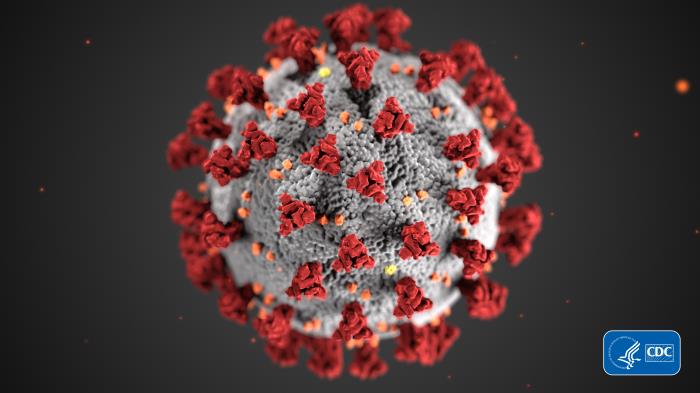
COVID-19 has sickened hundreds of thousands people and killed thousands more in Georgia. (Image: Centers for Disease Control and Prevention)
Gov. Brian Kemp asked Georgians for patience Friday as state officials push to distribute around 11,500 doses per day of the slow-arriving COVID-19 vaccine to health-care workers, nursing homes and people aged 65 and older in some parts of the state.
At a news conference, Kemp said Georgia’s vaccine distribution program is “making steady progress” but is still constrained by the limited number of doses the state has received so far. He expects distribution “will be ramped up” in the coming weeks.
“I’m pleased with how hard everybody’s working, but I’m not happy with where we are,” Kemp said. “We’ve got to keep moving the needle. We’re working on that every single day.”
Around 135,000 vaccines have been administered out of the roughly 554,000 doses shipped to Georgia as of Thursday evening, according to the state Department of Public Health’s website – though Kemp said the website’s data is lagging behind the number of vaccines actually given so far.
The governor said local health departments have been swamped with requests to book appointments after he and Georgia Public Health Commissioner Dr. Kathleen Toomey broadened which Georgians can receive the vaccine last week to people 65-years of age and older, police and firefighters.
State officials plan to launch a new website soon allowing Georgians to see whether they currently qualify for the vaccine and to schedule appointments for receiving either the Pfizer or Moderna brand vaccines, which both require two doses spaced a few weeks apart.
“I’d like to continue to ask for the people of Georgia’s patience as we work hard to swiftly, safely and efficiently administer the limited supply of vaccine we have to those for whom it would be the most good to get it,” Kemp said Friday.
Georgia’s rollout has been complicated by large demand for vaccines from health-care workers in metro Atlanta compared to hospitals and clinics in more rural parts of the state, where Kemp said some front-line workers have refused to take the vaccine. He called their reluctance “unimaginable” and urged everyone to get the vaccine once it’s available.
Kemp’s update on vaccine distribution came as Georgia logged its highest-ever daily total of reported positive COVID-19 cases on Friday at 10,400. No new restrictions on businesses or any lockdowns are forthcoming despite the spike, Kemp said, adding he will “have an open mind” in the event “something changes.”
“We have much hope on the horizon,” Kemp said. “But we’ve got to hunker down and continue to fight this together.”
Roughly 737,000 people in Georgia had tested positive or presumed positive for COVID-19 as of Friday afternoon. The virus had killed 10,180 Georgians.
U.S. Sens.-elect Jon Ossoff (left) and Rev. Raphael Warnock (right) bump elbows while campaigning in Atlanta during their runoff races on Dec. 14, 2020. (Photo by Beau Evans)
Georgia’s Republican senators have conceded defeat in the Jan. 5 runoffs for U.S. Senate, officially giving Democrats the state’s two Senate seats and control of the federal government for at least the first two years of the incoming Biden administration.
Former U.S. Sen. David Perdue conceded to Democrat U.S. Sen.-elect Jon Ossoff Friday afternoon, limiting the Sea Island Republican to just one term that ended on Jan. 3. His announcement came a day after Sen. Kelly Loeffler conceded to Sen.-elect Raphael Warnock after only a year in office.
Strong Democratic get-out the vote efforts, plus the fallout from President Donald Trump’s obsession with election fraud claims, combined to unravel the two incumbents’ campaigns and handed Democrats control of both Senate seats for the first time since 2002.
Ossoff, a 33-year-old Atlanta native who runs an investigative journalism company, is set to become the Senate’s youngest member and Georgia’s first Jewish representative in the chamber. He held a slim but insurmountable lead of nearly 50,000 votes with a few thousand ballots left to be counted late Friday.
“We don’t have to accept that poverty or racism or violence are inevitable or necessary,” Ossoff said. “We can dream about higher and higher heights.”
Warnock, a Savannah native and the senior pastor of Atlanta’s Ebenezer Baptist Church, had built up an even stronger lead than his co-campaigner by roughly 83,000 votes Friday. He will become Georgia’s first Black senator after preaching from the same pulpit once held by Dr. Martin Luther King Jr.
“To everyone out there struggling today, whether you voted for me or not, know this: I see you,” Warnock said. “I hear you. And I will fight for you. I will fight for your family.”
With voter turnout hovering at 4.5 million, the runoffs solidified Georgia’s position as a battleground state with closely fought elections for at least the next decade and particularly in 2022, when Gov. Brian Kemp will likely face Democrat Stacey Abrams in a rematch of the heated and close 2018 gubernatorial election.
The two Senate races drew the eyes of America and the world to Georgia over the past two months since Warnock and Ossoff forced runoffs against their opponents, summoning nearly $1 billion in campaign and outreach spending along with visits from dozens of celebrities and national politicians.
With the stakes high even in normal times, the runoffs barreled forward amid the unusually intense backdrop of the COVID-19 pandemic and election results in November that saw a Democrat win a presidential contest in Georgia for the first time since 1992.
Both Democrats overcame attempts by Perdue and Loeffler to paint them as socialist candidates too extreme for conservative Georgians through fierce attack ads that sought to tie Ossoff to communist China and portray Warnock as anti-police.
That campaign strategy failed, according to several local analysts who credited the two Democrats for focusing on more hopeful messages that elevated key issues like health care, criminal justice, workers’ rights and the ongoing COVID-19 response.
Perdue, a former corporate executive, and Loeffler, an Atlanta businesswoman appointed to retired Sen. Johnny Isakson’s seat in late 2019, were also hamstrung by their loyalty to Trump as the outgoing president trashed Georgia’s election system over his loss to President-elect Joe Biden in the Nov. 3 general election.
With Congress poised for Democratic majorities in both chambers, the Biden administration now faces an easier road to appointing Cabinet members and pushing through legislative priorities until at least the 2022 mid-term elections. He has nonetheless pledged to take a moderate approach and work with leaders on both sides of the aisle.
“Georgia voters delivered a resounding message [in the runoffs],” Biden said. “They want action on the crises we face and they want it right now. Together, we’ll get it done.”
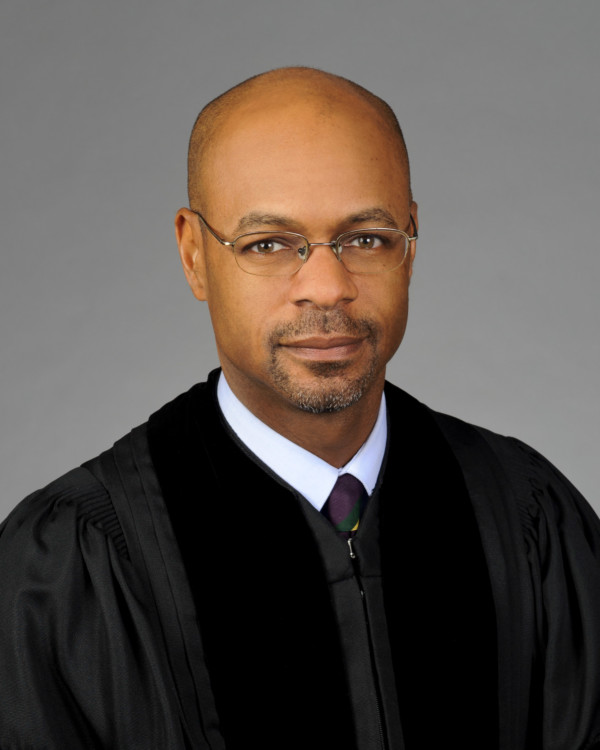
ATLANTA – Georgia Chief Justice Harold Melton Friday extended the statewide judicial emergency that has been in effect since the coronavirus pandemic took hold across the state in mid-March.
Melton signed an order prohibiting jury trials not already in progress. As with previous orders, the chief justice’s 10th emergency order also urged all courts “to use technology, when practicable and lawful, to conduct remote judicial proceedings as a safer alternative to in-person proceedings.”
The order also reminded courts that any in-person proceedings “must be conducted in full compliance with public health guidance.”
Melton included a caveat that grand jury hearings and trials will not actually start until a month or longer after a process for resuming them has been put in place due to the time required to summon potential jurors.
The order also acknowledged substantial backlogs of unindicted and untried cases.
“Due to ongoing public health precautions, these proceedings will not occur at the scale or with the speed they occurred before the pandemic,” the order stated.
As a result, statutory deadlines for indictments and jury trials will remain suspended, Melton wrote.
Friday’s order extends the statewide judicial emergency until Feb. 7 at 11:59 p.m.
Here are key leaders in the Georgia General Assembly;
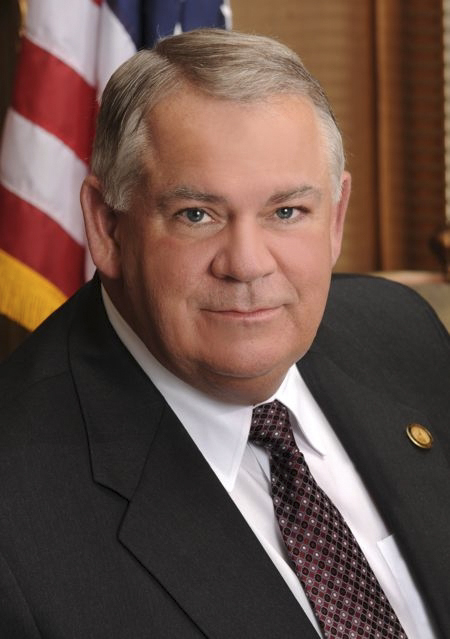
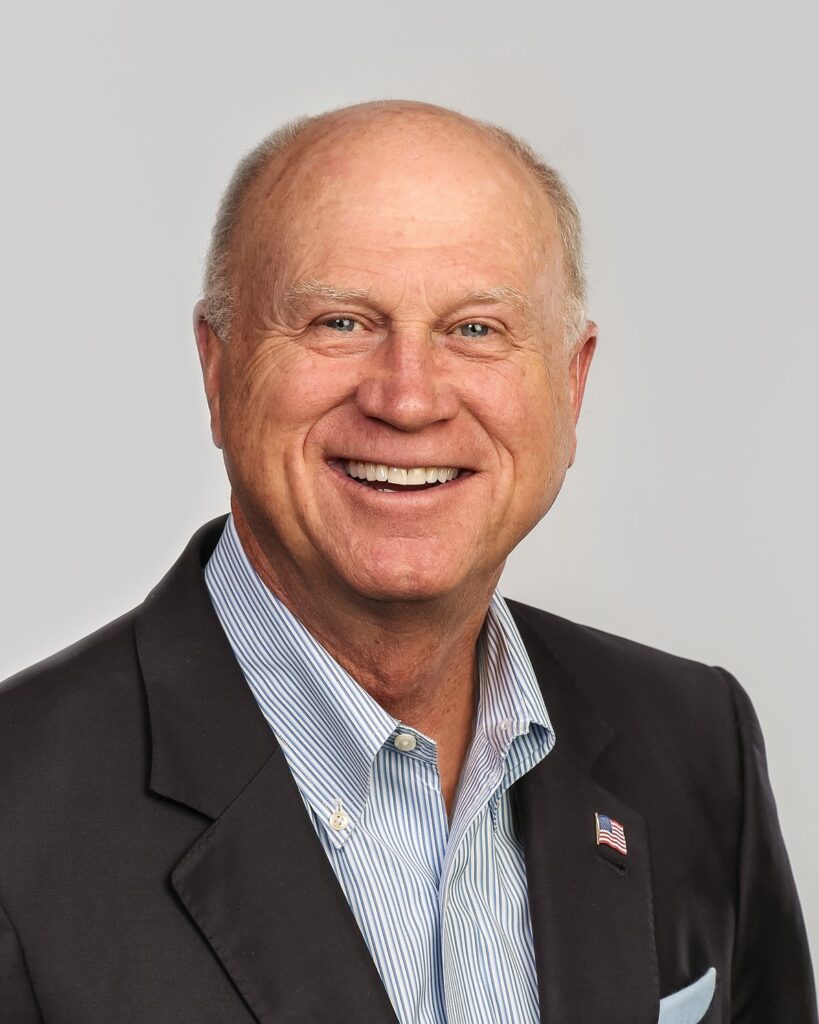
House Speaker David Ralston, R-Blue Ridge:
Elected the 73rd speaker of the House by his legislative colleagues in 2010, Ralston has served in the House since 2003, representing a rural district in Northwest Georgia. He also served in the state Senate during the 1990s before losing a bid for Georgia attorney general in 1998.
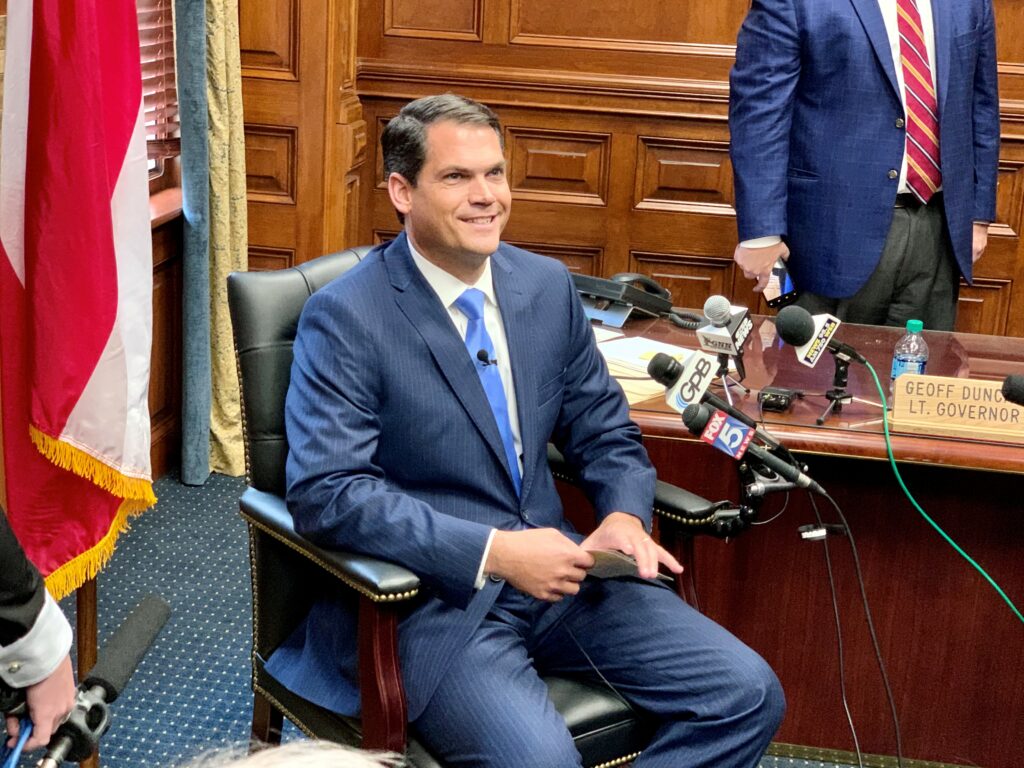
Lt. Gov. Geoff Duncan (R):
Elected Georgia’s 12th lieutenant governor in 2018, Duncan serves as president of the Georgia Senate, presiding over floor sessions and making committee assignments. The former professional baseball player and business owner served in the Georgia House from 2013 until 2017, representing a district in Forsyth County.
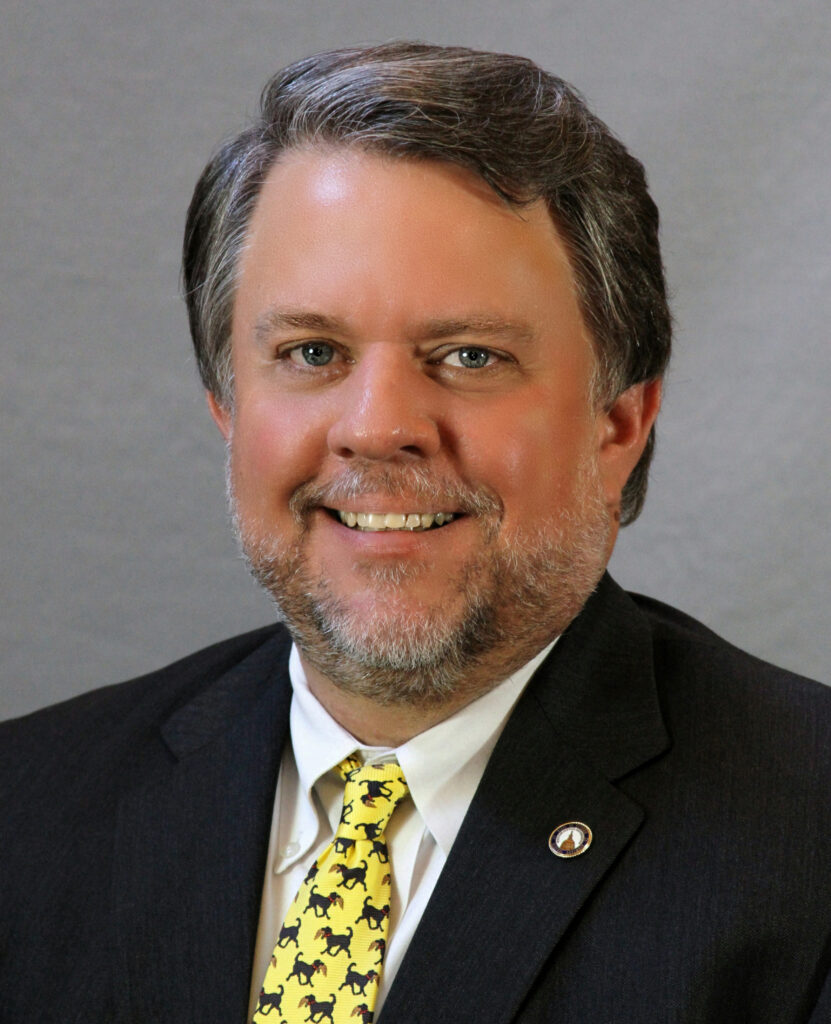
Senate President Pro Tempore Butch Miller, R-Gainesville:
Elected to the state Senate in 2010 from a district that covers most of Hall County, Miller was chosen by his Senate colleagues in 2018 to serve as president pro tempore. In that role, he presides over the Senate when the lieutenant governor is absent and manages administrative duties for the Senate.
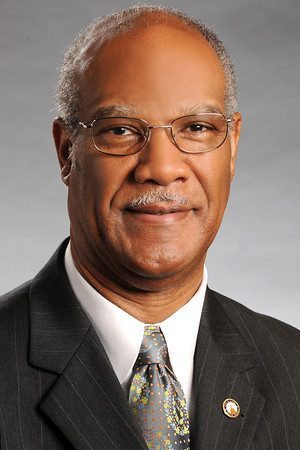
Rep. Calvin Smyre, D-Columbus:
The longest serving member of the House, Smyre was elected in 1974. Arguably the most influential Democrat in the General Assembly, Smyre chaired the powerful Rules Committee when Democrats controlled the House. Among his major accomplishments was legislation in 2001 getting rid of the 1950s-era Georgia flag featuring the Confederate battle flag and creating a new state flag.
Rep. Terry England, R-Auburn:
Elected to the House in 2004 representing a district in Barrow County, England has served as chairman of the House Appropriations Committee, the starting place for legislative review of the annual state budget, for the last decade.
Lawmakers to watch:
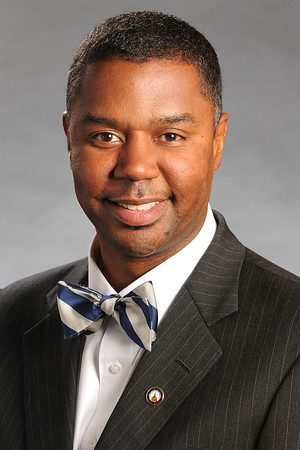
House Minority Leader James Beverly, D-Macon
Elected to the House in 2011 in a special election, Beverly was promoted to House minority leader by his Democratic colleagues in November following the loss of Rep. Bob Trammell, D-Luthersville, to a Republican challenger. Beverly previously served as chairman of the House Democratic Caucus.
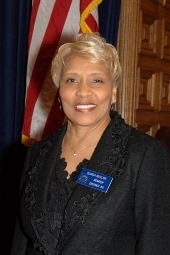
Chosen by her Democratic colleagues in November to serve as the new Senate minority leader, Butler was elected back in 1998. A former chairman of the Senate Democratic Caucus, Butler succeeds longtime Senate Minority Leader Steve Henson, who opted not to run for reelection.
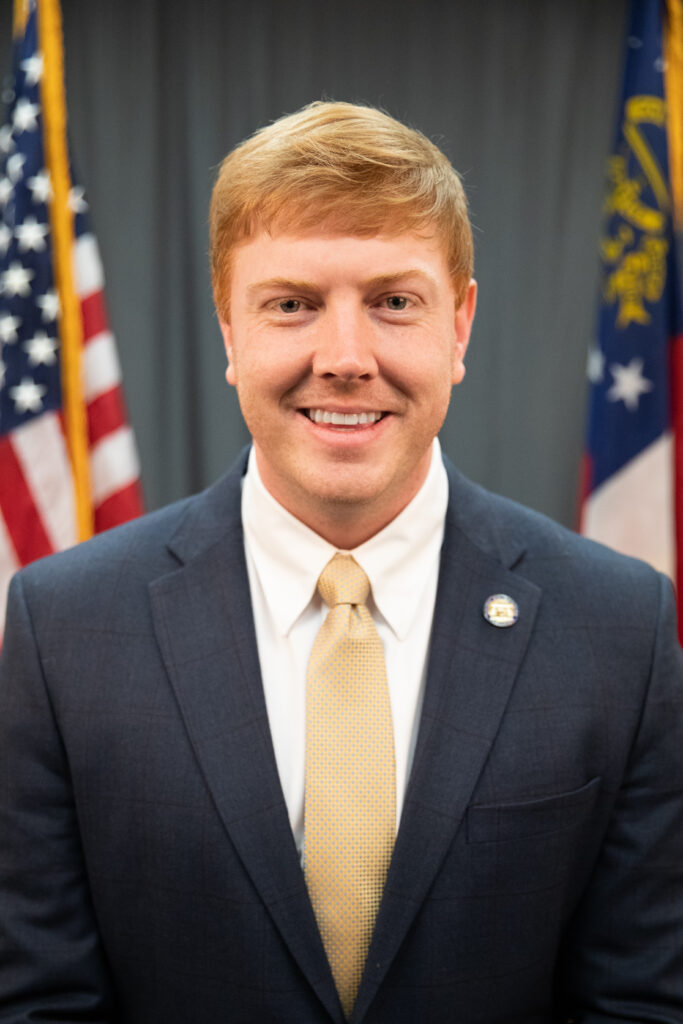
Sen. Blake Tillery, R-Vidalia
Tillery, elected to the Senate in 2016 representing a rural district in Southeast Georgia, was appointed chairman of the Senate Appropriations Committee last April following the death of Sen. Jack Hill. He received widespread praise for demonstrating strong leadership after assuming the powerful post on short notice.